













Laser safety in jewellery businesses: regulations, obligations, and professional roles
Over the last few years, laser welding has established its position as a key technology in the jewelry industry. Consequently, the issue of laser safety in companies within this sector is no longer a topic reserved for specialists, but an operational concern that directly impacts business continuity, the protection of people, and regulatory compliance. Lasers' ability to concentrate and control energy on extremely small areas (as small as 0.1 mm) enables high-precision work on micro components, jewelry, and gemstones, preserving their aesthetic appeal and structural integrity.
This widespread adoption of this technology has been driven by the growing need for quality, precision, and production efficiency. However, higher performance also requires greater attention to safety. A laser is, in every respect, a source of risk and must be managed within a clearly defined regulatory framework.
In the jewellery sector, laser risk can be particularly insidious because it arises during short, repetitive operations: micro-welding, finishing, and work on highly reflective metal surfaces.
This is where procedures, PPE, and integrated protections make the difference.
Laser safety: the regulatory framework
In Italy, the use of lasers in the workplace is regulated by Legislative Decree 81/2008 - Testo Unico sulla Sicurezza sul lavoro (the Consolidated Law on Health and Safety at Work). More specifically, Title VIII, Chapter V governs workers’ exposure to artificial optical radiation (AOR), including industrial laser systems.
The law places particular emphasis on the potential harmful effects on the eyes and skin, making structured risk management mandatory.
Employers who use laser welders in laboratories and jewelry workshops are required to:
-
- assess the risk of laser exposure
- compare the results with the Exposure Limit Values (ELVs)
- adopt technical and organizational preventive measures
- properly inform and train operators
- activate health surveillance where required.
National legislation also incorporates international IEC standards, applied through CEI EN 60825-1, which is the key reference for laser classification and the definition of safety measures.
Operational note on the Risk Assessment Document: alongside the “general” risk assessment document, it is common practice to manage a dedicated section focused on AOR, including lasers, with procedures, roles, PPE, maintenance, checks, and training records
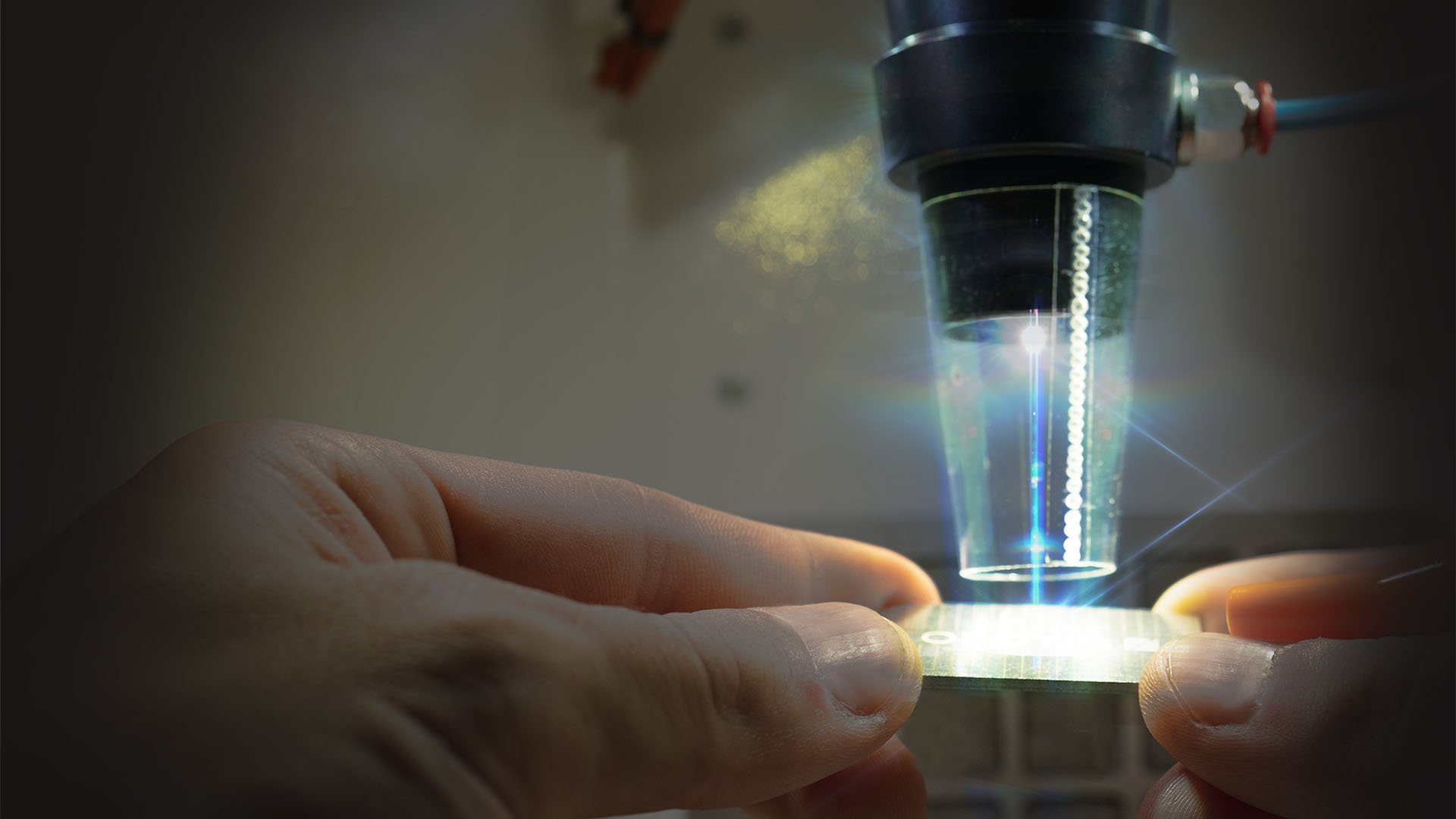
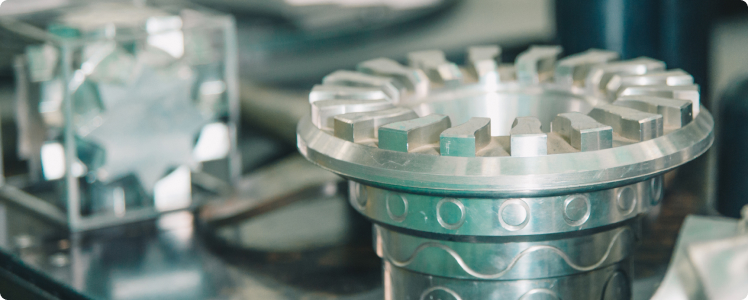
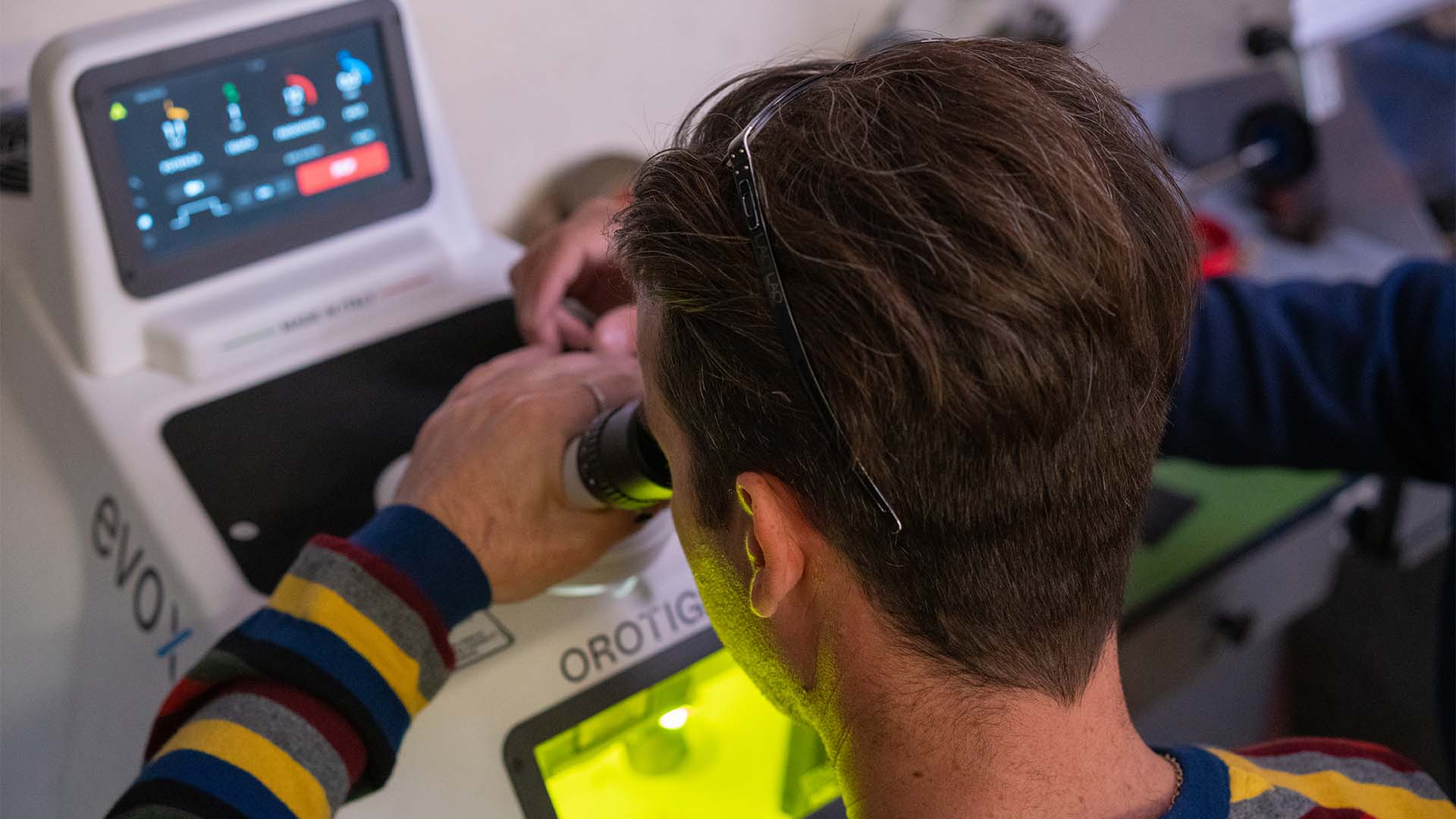
Detail of the welding chamber: visible laser beam over a metal plate.
How are lasers classified, and why does the class change the safety measures?
Laser classification is the first step in correct safety management. It makes it possible to identify the level of risk and adopt the most appropriate protective measures.
According to CEI EN 60825-1, lasers are classified into different risk classes - 1, 1C, 1M, 2, 2M, 3R, 3B, and 4 - based on their potential hazard level.
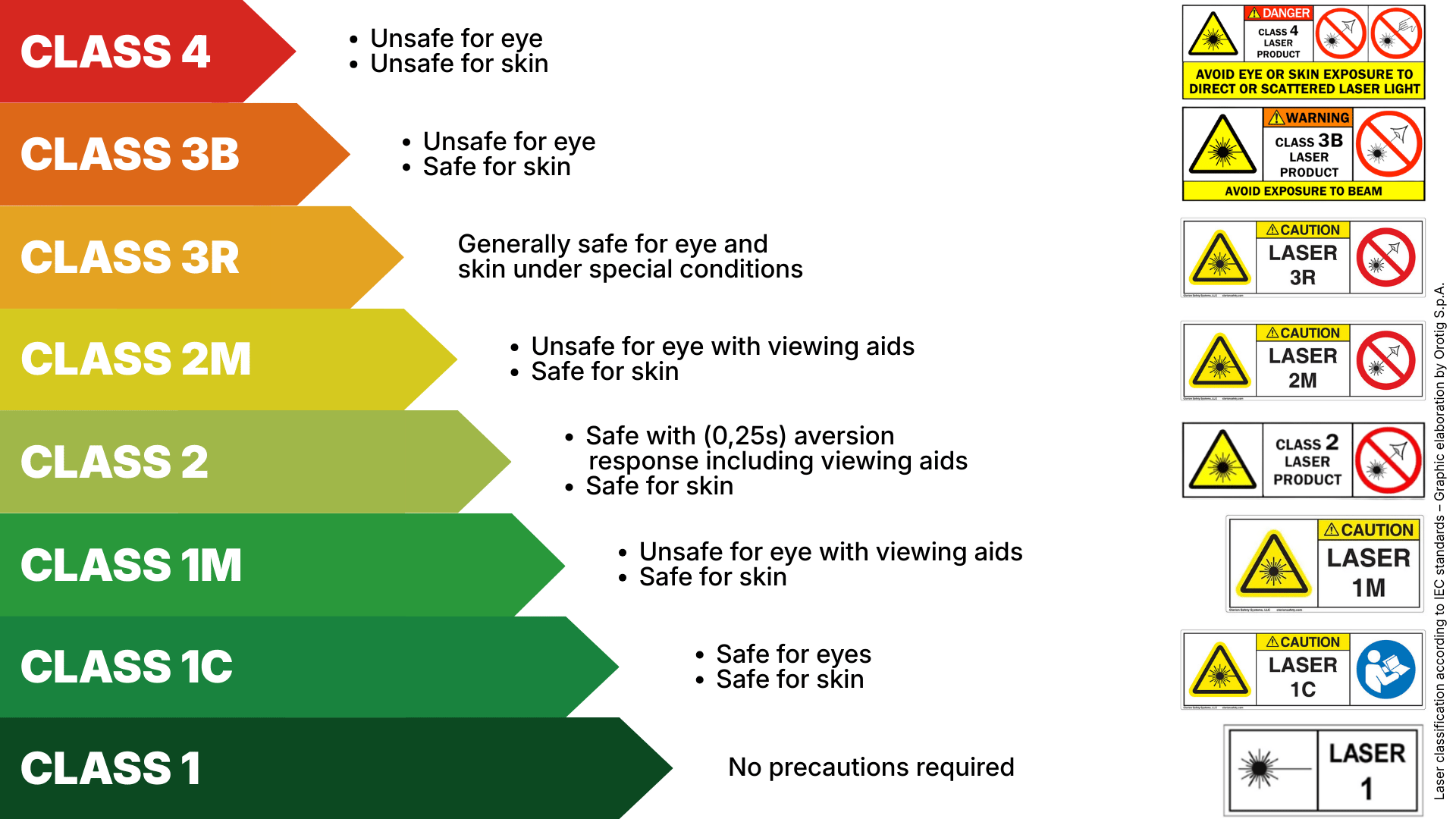
Summary table of the 8 laser risk classes according to CEI EN 60825-1 standard, based on hazard potential. (DOWNLOAD THE IMAGE)
Laser welders used in the jewellery sector generally fall into Class 4, the highest category. In these systems, laser radiation is accessible to the operator and can involve significant risks if not properly controlled.
Class 4 lasers can:
-
- cause serious damage to the eyes and skin
- generate dangerous reflections
- produce fumes and, in some cases, fire risks.
For this reason, the standard requires rigorous safety measures, both technical and administrative, according to a precise hierarchy of controls:
-
- engineering measures (safety devices integrated into the welders)
- organizational measures (safety procedures)
- use of personal and collective protective equipment.
What must an employer do when using a laser welder in a jewelry workshop?
In addition to the general obligations set out by Legislative Decree 81/2008, effective and orderly laser safety management typically includes:
-
- definition of the laser area, workstation or controlled zone, and access rules
- Implementation of the engineered safety devices required for laser areas: visual warning signals, interlocks, emergency stop
- warning signs and hazard labels consistent with the laser class and source
- written operating procedures, including setup, use, maintenance, and fault management
- periodic checks of protective systems, such as interlocks, screens, filters, and fume extraction
- selection and distribution of appropriate PPE, if required, along with instructions for use and registration
- targeted training on AOR/laser risk and safe behaviours.
Put simply: having a powerful, precise machine is not enough. You also need a well-designed workstation and a way of working that reduces risks every single day.
Integrated safety in Orotig laser welders
Orotig laser welders, compliant with CEI EN 60825-1, are developed according to a safety by design approach, meaning safety is integrated from the very beginning of the machine development process. This philosophy allows safe, continuous use while reducing risk for the operator without compromising performance.
Orotig laser welders integrate:
-
-
integrated fume extraction system
-
optical guards with filters certified to UNI EN 12254
-
safety interlocks to prevent accidental exposure
-
software control of welding parameters
-
ergonomic design focused on operator comfort
-
housing made of self-extinguishing material
-
complete labeling with essential laser safety information: class, associated hazard, source characteristics (wavelength, power), and laser aperture.
-
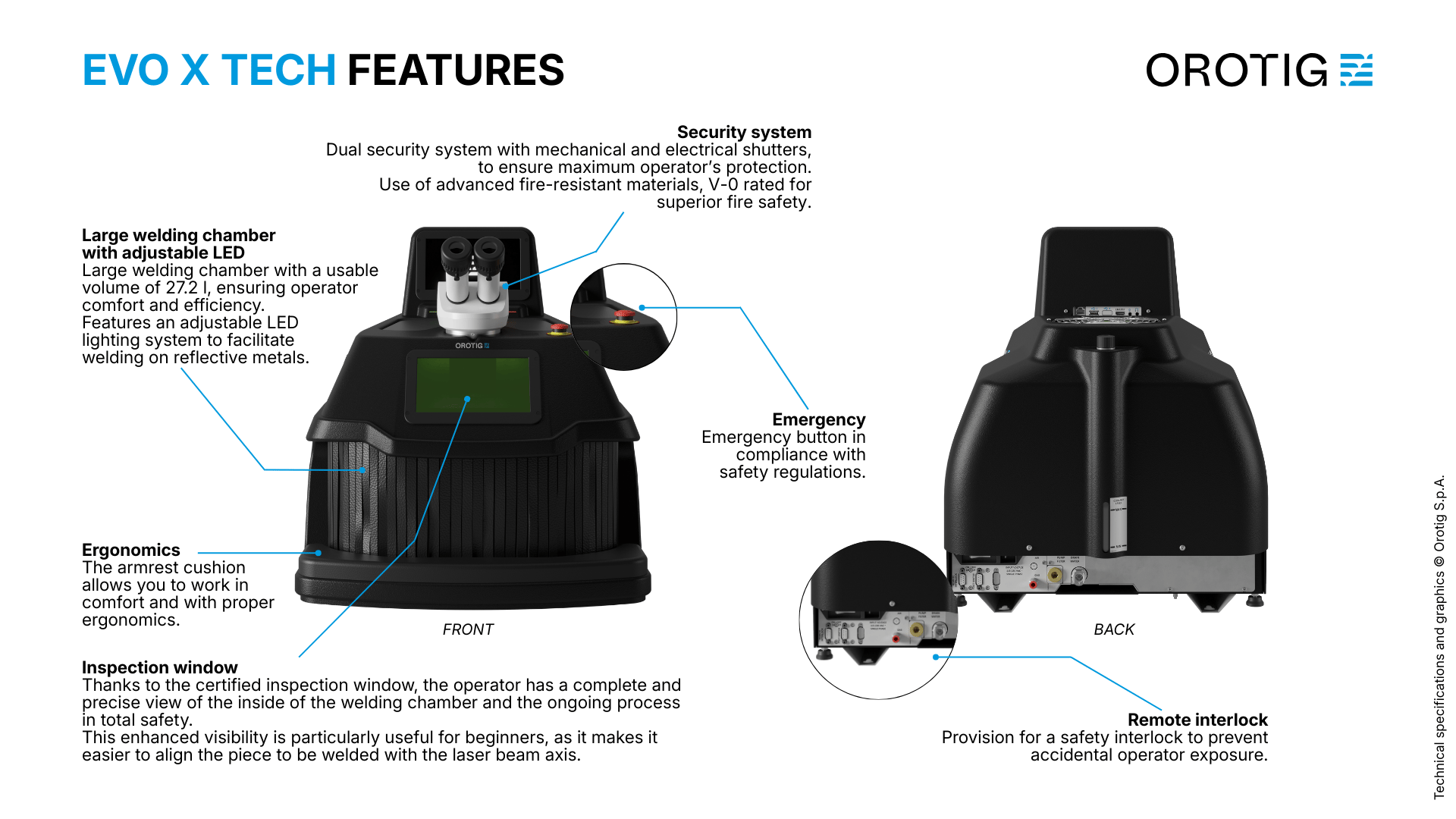
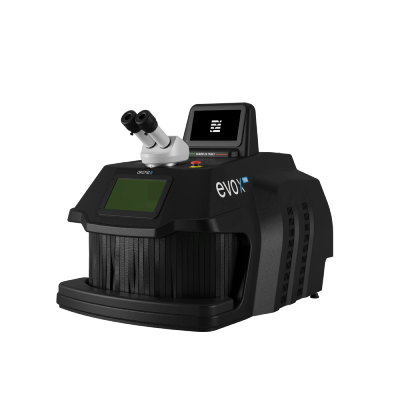
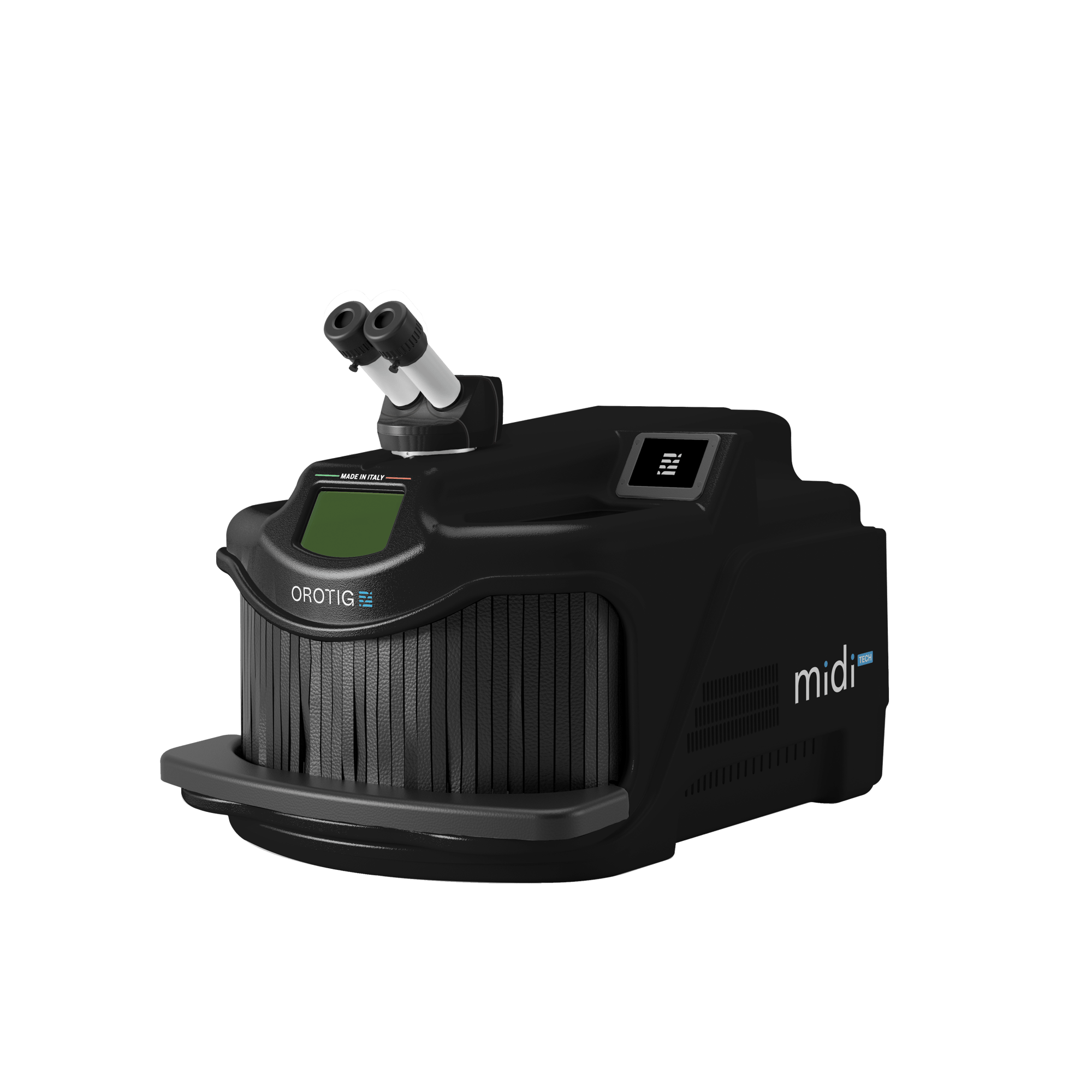
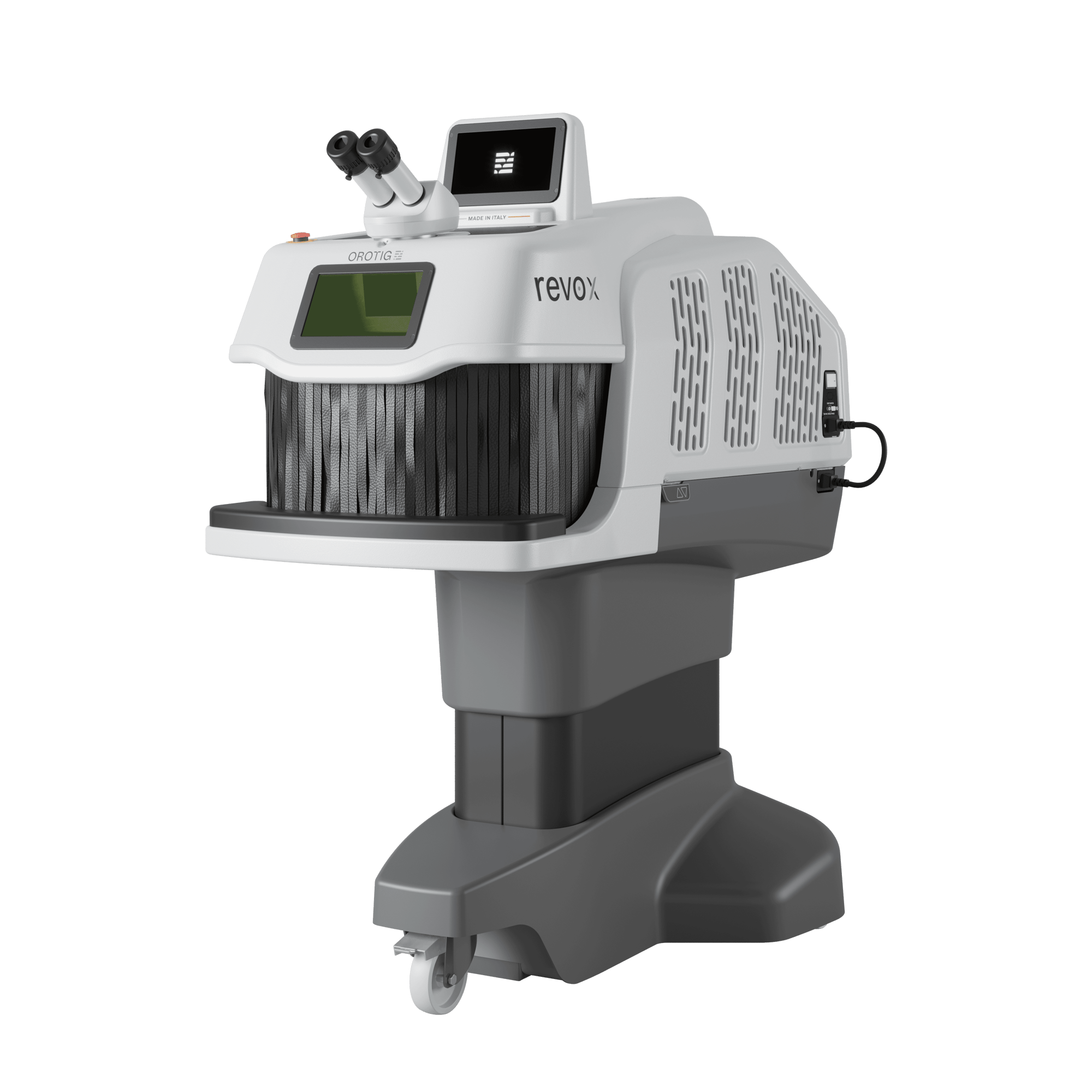
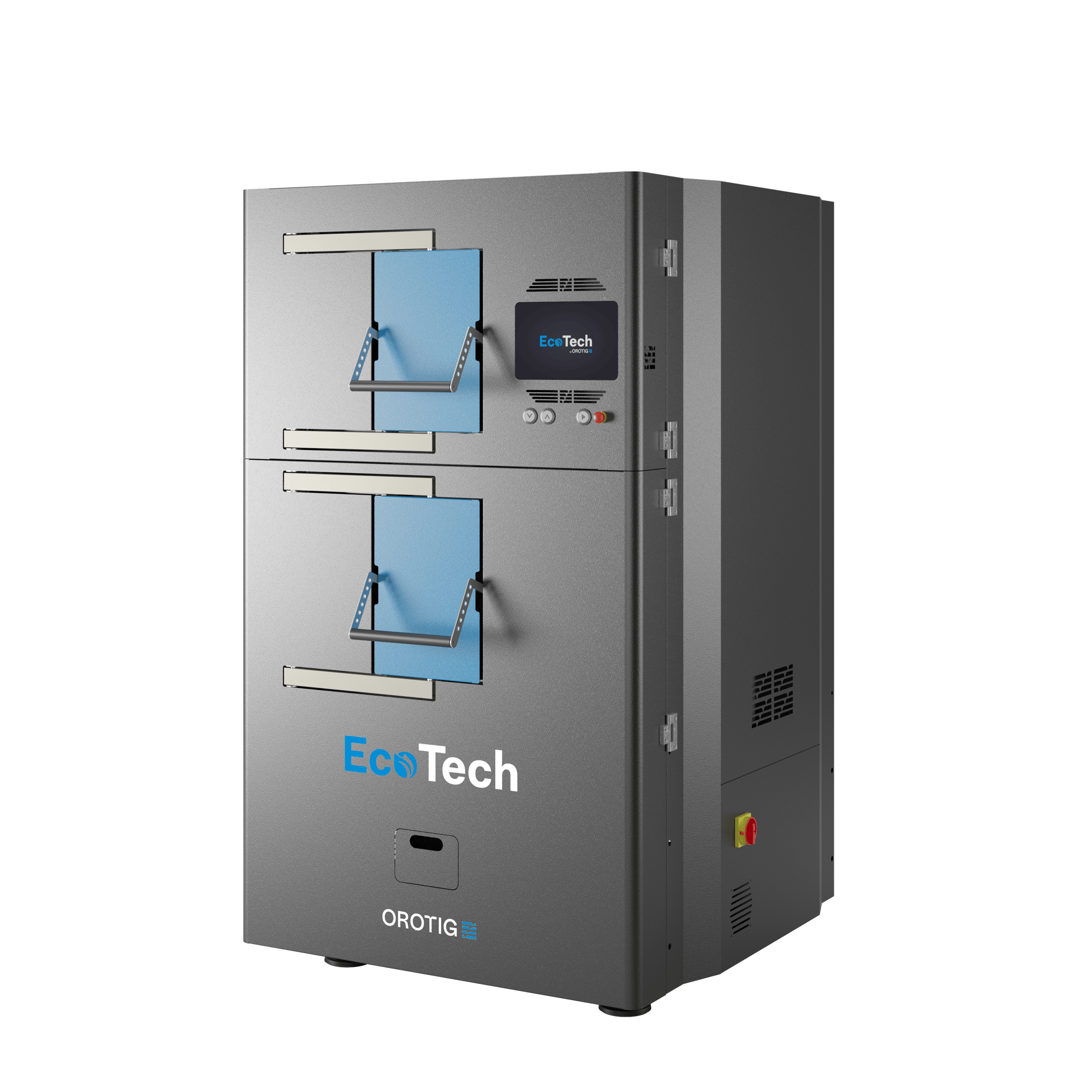
Detail of the Evo X Tech laser welder: all the safety features designed by design. (DOWNLOAD THE IMAGE)
Who is the Laser Safety Expert (ESL), and why is it mandatory?
An important regulatory development was the publication of CEI 76-17, which entered into force in 2024 and introduced the professional profiles of Laser Safety Experts, known in Italy as ESL.
More specifically:
-
- Level I Laser Safety Expert (ESL-I): supervises day-to-day laser use and supports operational activities
- Level II Laser Safety Expert (ESL-II): prepares the laser risk assessment, defines safety measures, and supports the risk assessment document. For the use of Class 4 lasers, such as welders for the jewelry sector, the presence of an ESL-II is mandatory.
The ESL, broadly comparable at international level to a Laser Safety Officer (LSO), helps coordinate aspects such as training, procedures, and compliance checks.
Alongside the ESL, the following roles also remain essential:
-
- RSPP / Prevention and Protection Service Manager (coordination of prevention measures and procedures)
- Occupational Physician / Company Doctor (health surveillance, where applicable)
- Supervisors and operators (day-to-day control and compliance with rules).
What kind of training is required to manage laser risk in a company?
Effective laser risk management also relies on specific training and specialist expertise. Thanks to the presence of experienced and qualified professionals, Orotig supports jewellery businesses by offering:
-
- laser safety training courses for operators
- support in integrating the risk assessment document with a dedicated AOR section, including procedures, safety measures, and PPE, where required, for laser use
- technical consulting services in the field of laser safety.
Why investing in laser safety is a strategic choice for those working in the jewellery sector
n the jewelry industry, laser safety is not just a regulatory requirement, but a strategic investment. A safe work environment reduces the risk of accidents, protects people, and helps improve production efficiency.
By adopting certified technologies, structured safety protocols, and dedicated training programs, companies can face the future with greater awareness, professionalism, and competitiveness.